Every year, hundreds of workers suffer severe injuries—or worse—because equipment was accidentally energized during maintenance. An electrical lockout tagout system isn’t just a regulatory box to check; it’s a critical defense against electrocution, arc flashes, and unexpected machine startups. When high-voltage systems are involved, a single oversight can be fatal. That’s why a robust, well-implemented LOTO process is non-negotiable in industrial, manufacturing, and utility environments.
What Is an Electrical Lockout Tagout System?
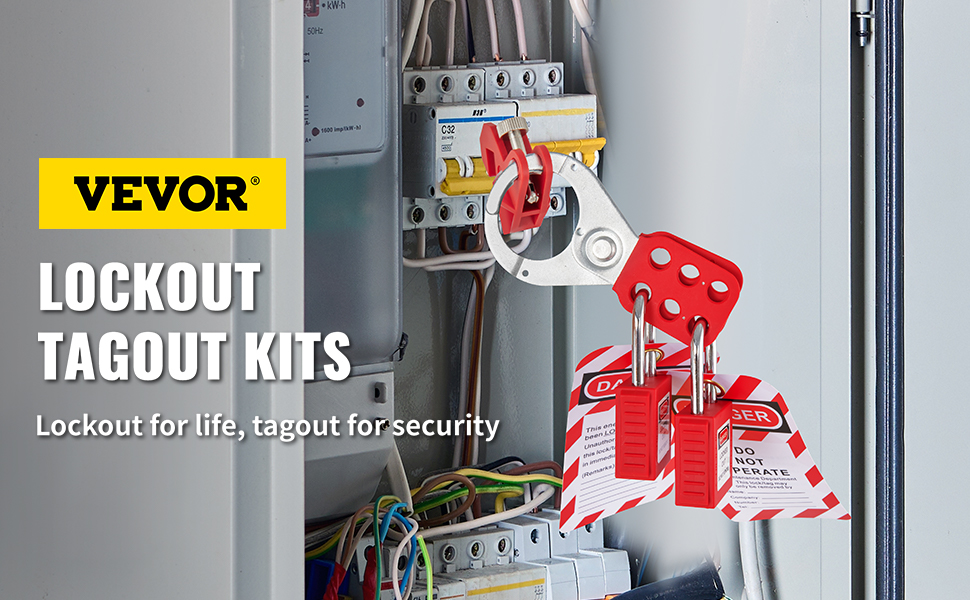
An electrical lockout tagout (LOTO) system is a safety procedure used to ensure that dangerous electrical equipment is properly shut off and cannot be restarted before maintenance or repair work is completed. It involves physically locking energy-isolating devices—like circuit breakers, disconnect switches, or motor control centers—and attaching warning tags to communicate that work is in progress.
At its core, LOTO is about control. It transfers authority over energy sources from automated systems to human operators, ensuring no one can inadvertently restore power while someone is exposed to live components. This system applies not only to high-voltage industrial equipment but also to lower-voltage systems where stored energy—capacitors, spring mechanisms, or residual charge—can pose serious risks.
The Two Components: Lockout vs. Tagout
While often used together, lockout and tagout serve distinct purposes:
- Lockout: Involves placing a physical lock (like a padlock) on an energy-isolating device. Only the worker who applied the lock can remove it, ensuring direct control.
- Tagout: Uses a durable tag attached to the device, detailing the reason for shutdown, the worker’s name, and contact information. Tags are warnings, not physical barriers.
Lockout is preferred because it provides a mechanical barrier. Tagout alone is permitted only when a lock cannot be used, but it comes with higher risk—it relies on human compliance rather than physical enforcement.
Why Electrical LOTO Is Non-Negotiable
Electrical systems store energy in multiple forms—capacitive, inductive, thermal—and even after power is cut, residual current can remain. A 2023 OSHA report found that 60% of electrical incidents during maintenance occurred due to improper or missing lockout procedures.
Consider this real-world scenario: A technician begins servicing a conveyor motor after flipping the control panel switch. Unbeknownst to them, a second power source feeds the same circuit via a backup line. Without a verified LOTO procedure, that motor could restart—crushing limbs or causing arc flash burns.
Regulatory Requirements
OSHA standard 29 CFR 1910.147 (Control of Hazardous Energy) mandates LOTO for all energy sources, including electrical. Specific electrical requirements are detailed in 29 CFR 1910.333. Failure to comply can result in fines exceeding $15,000 per violation. More importantly, it creates a culture of risk that undermines operational integrity.
Key compliance elements include: - Written energy control procedures - Authorized employee training - Periodic inspections (at least annually) - Use of approved lockout devices
How an Electrical LOTO System Works: Step-by-Step
A successful LOTO process is systematic and repeatable. Here’s the standard workflow used across industries:
1. Preparation Identify all energy sources feeding the equipment. This includes main power lines, backup circuits, capacitors, and control circuits. Review electrical schematics and single-line diagrams.
2. Shutdown Notify affected employees. Use proper controls to shut down the machine according to manufacturer guidelines.
3. Isolation Physically disconnect all energy sources. This typically means opening circuit breakers or pulling disconnect switches.

4. Application of Locks and Tags Each authorized worker applies their personal lock and tag to every isolation point. Group lockout boxes are used when multiple workers are involved.
5. Stored Energy Dissipation Discharge capacitors, bleed pneumatic lines, and block moving parts. Verify de-energization using a voltage tester rated for the circuit.
6. Verification Attempt to restart the equipment (via normal controls) to confirm it cannot energize. Return controls to “Off” position afterward.
7. Maintenance or Repair Perform the required work.
8. Restoration Remove locks and tags only by the individuals who applied them. Re-energize gradually and notify all affected personnel.
Skipping any of these steps increases risk exponentially. For example, failing to verify de-energization—the most commonly skipped step—accounts for nearly 30% of LOTO-related incidents.
Common Mistakes That Undermine LOTO Effectiveness
Even organizations with LOTO policies in place often fall short in practice. Here are frequent failures:
- Using master or override keys: Defeats the purpose of individual control
- Tagging without locking: Relies on others not to ignore warnings
- Incomplete energy source identification: Missing secondary circuits or capacitive loads
- Shared locks: Multiple people using the same lock violates individual accountability
- Bypassing procedures for “quick fixes”: Most injuries happen during short-duration tasks
One automotive plant reduced electrical incidents by 78% simply by enforcing personal locks and adding pre-job LOTO checklists. The fix wasn’t new technology—it was discipline.
Components of a Reliable Electrical LOTO System
A complete LOTO system includes more than just padlocks. It’s a blend of hardware, documentation, and human behavior.
Essential Hardware
| Component | Purpose | Example Use Case |
|---|---|---|
| Lockout Hasps | Allow multiple locks on one isolation point | Group maintenance on a large motor control center |
| Circuit Breaker Lockouts | Secure breaker toggles in “Off” position | Prevent accidental reset in electrical panels |
| Plug Lockouts | Lock corded equipment at the outlet | CNC machines, welders, pumps |
| Valve Lockouts | Isolate fluid or gas lines with electrical actuators | Hydraulic presses, cooling systems |
| Tagout Tags | Communicate shutdown status | Include name, date, reason, and contact info |
Documentation and Training
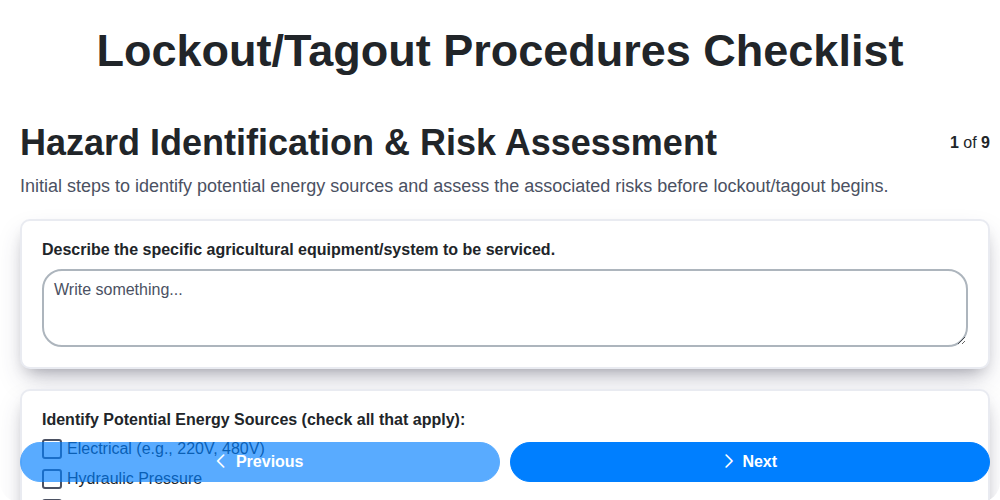
Every LOTO system must be backed by: - Site-specific procedures for each piece of equipment - Up-to-date electrical diagrams - Training records for authorized and affected employees - Audit logs from annual inspections
Training should be hands-on. Watching a video on LOTO is not enough. Workers must demonstrate proper lock application, voltage testing, and group coordination.
Top 5 Electrical LOTO Devices for Industrial Use
Choosing the right hardware is critical. These five systems are proven in high-risk environments:
- Grace Industries GLO-1000 Lockout Station
- A wall-mounted kit with 100+ components, including locks, tags, and breaker lockouts. Ideal for facilities with diverse equipment. Includes bilingual tags for multilingual teams.
- Safeguard Equipment LOTO-PRO200
- Modular system with customizable trays. Popular in automotive plants. Features color-coded locks to differentiate departments.
- Eaton MEM-PLUG1 Plug Lockout
- Designed for NEMA 5-15 and 5-20 plugs. Durable polycarbonate shell resists damage. Used in hospitals and labs for portable equipment.
- 3M DBI-SALA 3000 Circuit Breaker Lockout
- Fits up to 300A breakers. Tool-free installation. Widely used in data centers and power distribution units.
- Master Lock 1690D Universal Hasp
- Corrosion-resistant steel with 1” pin diameter. Allows up to six workers to apply locks. Standard in oil and gas facilities.

These tools are not interchangeable. Always match the device to the voltage class, environmental conditions (wet, dusty, explosive), and equipment design.
When Electrical LOTO Fails: Real-World Consequences
In 2022, a maintenance worker at a food processing plant in Indiana was electrocuted while clearing a jam in a conveyor. The system had been “shut off,” but no lockout was applied. A coworker, unaware of the repair, restarted the line from a remote HMI panel.
The investigation revealed: - No written LOTO procedure for that machine - Inadequate training - Missing lockout hardware in the maintenance kit
The company paid over $250,000 in OSHA fines and civil settlements. More tragically, a preventable death occurred.
This case underscores that LOTO isn’t just about tools—it’s about culture. Safety protocols must be visible, enforced, and embedded in daily operations.
Building a Culture of Compliance
The best LOTO system in the world fails without accountability. Here’s how to make it stick:
- Leadership Involvement: Supervisors should participate in audits and wear locks during walkthroughs.
- Visual Management: Post LOTO procedures near equipment. Use floor markings for lockout zones.
- Peer Verification: Require a second worker to confirm lock application.
- Annual Recertification: Train and test employees every year, not just at hire.
- Near-Miss Reporting: Encourage workers to report LOTO close calls without fear of punishment.
One paper mill reduced its electrical incidents to zero for three consecutive years by introducing a “LOTO Champion” role in each shift—responsible for oversight and peer coaching.
Implement Your Electrical Lockout Tagout System Today
An electrical lockout tagout system is not a one-time project. It’s an ongoing commitment to safety, compliance, and operational excellence. Start by auditing your current procedures. Identify every piece of electrical equipment that requires maintenance. Map energy sources. Train your team. Equip them with the right tools.
The cost of implementation is minimal compared to the human and financial toll of a single incident. A complete LOTO kit starts at under $500. A worker’s life—or an OSHA citation—is worth infinitely more.
Take action now: designate an authorized employee, draft your first procedure, and perform a live demonstration. Safety isn’t a policy. It’s a practice.
Frequently Asked Questions
What is the difference between lockout and tagout? Lockout uses a physical lock to prevent energy restoration, while tagout uses a warning tag. Lockout is more secure and preferred; tagout is only used when a lock can't be applied.
Who can remove a lockout device? Only the authorized employee who applied the lock may remove it. In rare cases, a supervisor may remove it following a documented, safety-approved procedure.
Do small electrical devices need LOTO? Yes, if servicing exposes workers to hazardous energy. Even corded power tools require plug lockouts during internal repairs.
How often should LOTO procedures be audited? At least annually, as required by OSHA. High-risk environments may audit every six months.
Can multiple people work on the same equipment under LOTO? Yes, using a group lockout box. Each worker applies their personal lock to the isolation point, ensuring individual control.
Is LOTO required for corded equipment? Yes, if the equipment is being serviced and could be energized. Use plug lockouts to secure the cord at the outlet.
What tools are needed for electrical LOTO? Essential tools include lockout hasps, circuit breaker locks, plug lockouts, voltage testers, and durable tagout tags.
FAQ
What should you look for in Electrical Lockout Tagout System: The Essential Safety Guide? Focus on relevance, practical value, and how well the solution matches real user intent.
Is Electrical Lockout Tagout System: The Essential Safety Guide suitable for beginners? That depends on the workflow, but a clear step-by-step approach usually makes it easier to start.
How do you compare options around Electrical Lockout Tagout System: The Essential Safety Guide? Compare features, trust signals, limitations, pricing, and ease of implementation.
What mistakes should you avoid? Avoid generic choices, weak validation, and decisions based only on marketing claims.
What is the next best step? Shortlist the most relevant options, validate them quickly, and refine from real-world results.