Every year, hundreds of workers suffer serious injuries—or worse—during routine equipment servicing. The root cause? Energy sources weren’t properly isolated. Lockout Tagout (LOTO) isn’t just a compliance checkbox; it’s a proven system to prevent accidental startup and protect lives. But knowing how to implement it consistently is the challenge most teams face. That’s where a free, practical lockout tagout procedures template becomes invaluable.
A well-structured LOTO template standardizes the process across machines, shifts, and personnel. It eliminates guesswork, reduces downtime, and ensures every maintenance task follows a documented safety protocol. This isn’t about bureaucracy—it’s about clarity. Below, you’ll get access to a ready-to-use template and learn how to adapt it to your operations.
What Is a Lockout Tagout Procedures Template?
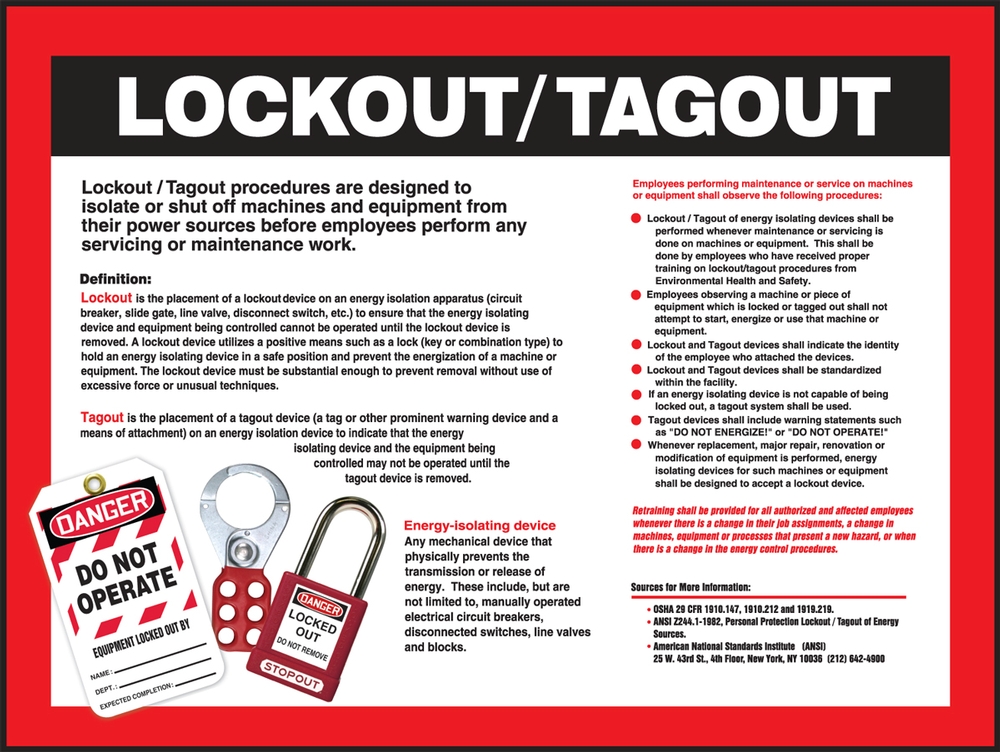
A Lockout Tagout procedures template is a standardized document that outlines the exact steps workers must follow to safely isolate energy sources before performing maintenance or servicing on machinery. It acts as a repeatable blueprint for de-energizing equipment, applying locks and tags, verifying zero energy, and restoring power safely.
This template isn’t one-size-fits-all. It must be customized per machine or process, but starts from a consistent framework. The goal is clarity: every technician, regardless of experience, should be able to follow the steps without ambiguity.
Why Templates Beat Memory-Based Systems
Relying on memory or verbal instructions invites inconsistency. A technician might skip a hydraulic line isolation because they assumed it was depressurized. A supervisor might miss a secondary electrical disconnect. Templates eliminate those gaps.
Templates also serve as training tools and audit records. When OSHA inspectors arrive, having documented, machine-specific LOTO procedures shows due diligence. More importantly, they reduce the cognitive load on workers during high-risk tasks.
Key Elements of an Effective LOTO Template
A generic checklist won’t cut it. A strong lockout tagout procedures template includes machine-specific details and clear action steps. Here’s what must be included:
1. Equipment Identification
- Machine name, model number, and location
- Primary and secondary energy sources (electrical, pneumatic, hydraulic, chemical, thermal, etc.)
2. Authorized Personnel
- Names or roles of trained employees permitted to perform LOTO
- Contact information for shift supervisors
3. Step-by-Step Shutdown Procedure
- Normal shutdown sequence
- Isolation points (circuit breakers, valves, disconnects)
- Lock application points with lock IDs
4. Lock and Tag Application
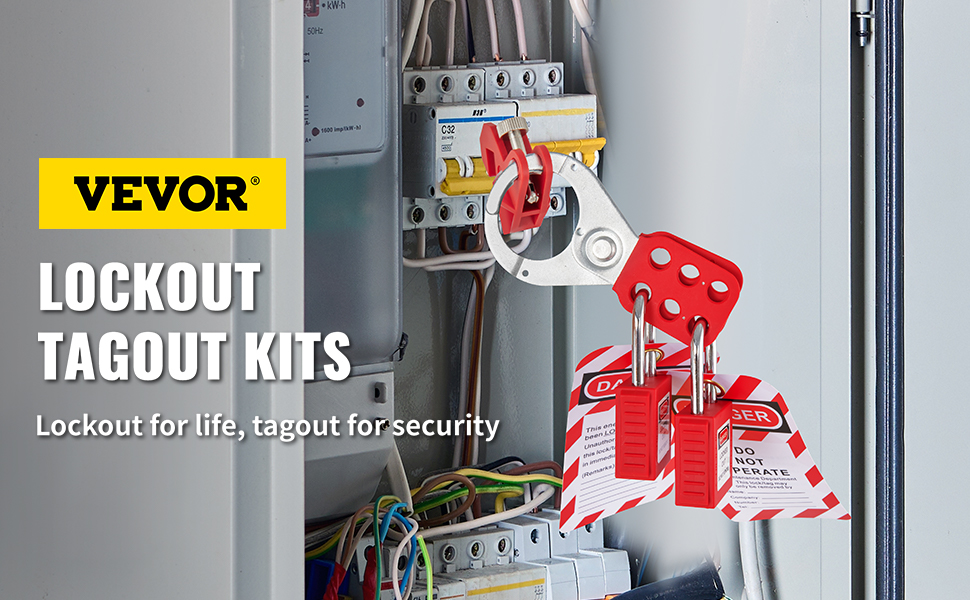
- Type of lockout device (hasp, valve lock, circuit breaker lock)
- Tag information: reason for lockout, date, name, department
5. Energy Isolation Verification
- Method used to verify zero energy (e.g., testing with a voltage meter)
- Required PPE during verification
6. Restoration Steps
- Final clearance checks
- Confirmation that tools and guards are replaced
- Unlocking sequence and sign-off
Without these components, your template is just a formality—not a functional safety tool.
When You Need a Customized Template (Not Just a Generic One)
You’ll find dozens of free LOTO templates online. Many are PDFs with blank fields. But here’s the problem: a generic template applied across different machines creates false confidence.
For example, a CNC machine with stored hydraulic energy requires different isolation steps than a conveyor belt powered only by electricity. Using the same template for both leads to missed hazards.
Real-World Example: The Overhead Crane Incident
At a Midwest manufacturing plant, a technician used a generic LOTO form to service an overhead crane. The form listed “disconnect main power” but didn’t specify the hydraulic accumulator release. The crane dropped a load during testing, causing severe damage. The root cause? The template didn’t account for residual energy.
Lesson: Customize every template per machine. Use the free template as a foundation, not the final product.
Download a Free, Customizable LOTO Procedures Template
We’ve created a practical, editable LOTO procedures template designed for real-world use. It’s available in Microsoft Word and Excel formats so you can adapt it fast.
👉 [Insert internal link or call-out: Download Free LOTO Template Here]
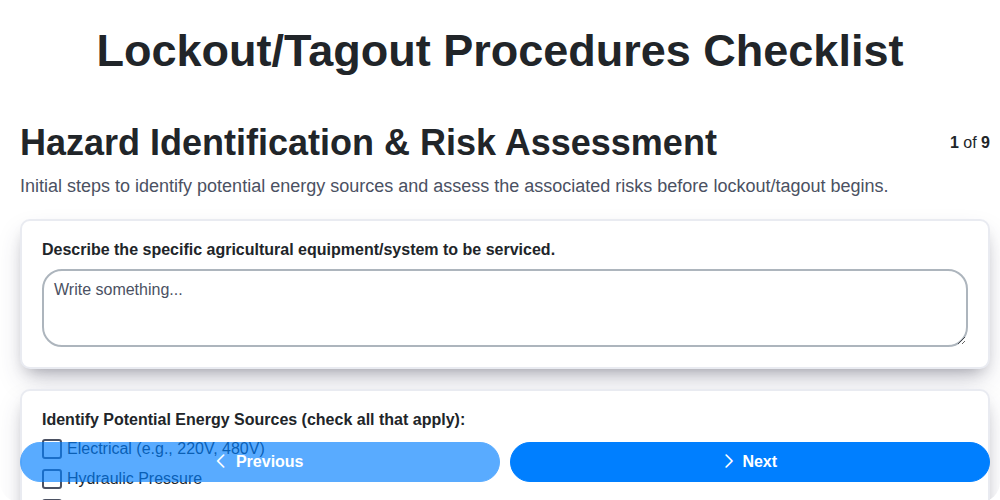
This template includes: - Machine-specific header fields - Energy source mapping table - Step-by-step lockout sequence - Verification checklist - Restoration and sign-off section - Space for diagrams or lock placement photos
It’s OSHA-aligned and designed to be filled out during a LOTO risk assessment with maintenance and safety teams.
5 Free Tools to Build and Manage LOTO Procedures
While templates help, managing multiple LOTO procedures across a facility requires more than Word docs. These free or freemium tools help you scale safely:
| Tool | Key Features | Best For |
|---|---|---|
| Lockout Tagout Manager (LOTO Pro Free Version) | Digital procedure builder, lock tracking, audit logs | Small to mid-sized manufacturers |
| SafetyCulture (iAuditor) – Free Plan | Mobile checklists, photo documentation, reporting | Field teams needing real-time verification |
| EHS Insight – LOTO Module (Trial) | Procedure library, employee training tracking | Facilities with complex machinery |
| Google Workspace + Template | Shared drives, version control, collaboration | Teams on a tight budget |
| Canva for Safety Docs | Visual templates, flowcharts, easy sharing | Training materials and quick-reference guides |
Use these tools to move beyond paper. Digital systems reduce errors and make audits smoother.
Common Mistakes When Using Free LOTO Templates
Even with a solid template, teams make costly errors. Watch out for these:
❌ Skipping Machine-Specific Risk Assessment Applying the same lockout steps to all machines ignores unique energy sources. Always assess each machine individually.
❌ Using Templates as Standalone Training A document isn’t training. Workers must demonstrate competence in applying and verifying lockouts under supervision.
❌ No Review or Update Schedule Equipment changes. Procedures must too. Review every LOTO template annually—or after any machine modification.
❌ Allowing Non-Authorized Employees to Remove Locks Only the employee who applied a lock should remove it. Templates should include a sign-off that enforces this rule.
❌ Poor Visibility and Access If the template is buried in a shared drive, it won’t be used. Print key procedures or make them accessible via mobile devices on the floor.
How to Customize the Template in 4 Steps
- Select One Machine
- Start with high-risk or frequently serviced equipment.
- Map All Energy Sources
- Trace electrical circuits, fluid lines, springs, gravity-fed systems. Label every disconnect point.
- Document Each Step
- Write clear, imperative instructions: “Close valve V-203 and lock in closed position.”
- Test the Procedure
- Have an authorized employee follow it during a scheduled maintenance. Time it. Note ambiguities. Revise.
Repeat for each machine. Prioritize based on injury history or energy complexity.
Integrating LOTO Templates into Daily Operations
A template is useless if it’s not used. Embed it into your workflow:
- Attach printed copies to machine control panels
- Include digital versions in work order systems
- Reference them during pre-job safety meetings
- Require sign-off in maintenance logs
At a food processing plant in Oregon, supervisors reduced LOTO deviations by 78% simply by laminating templates and mounting them next to lockout stations. Visibility drove compliance.
Final Thoughts: Safety Is a Process, Not a Document
A free lockout tagout procedures template is a starting point—not the finish line. Its value comes from customization, training, and consistent enforcement. Use the template to create clarity, not compliance theater.
Download a reliable base template, tailor it to your equipment, and review it regularly. Train your team not just on how to lock out, but why each step matters. When a technician verifies zero energy with a meter, they’re not following a rule—they’re protecting themselves and their coworkers.
Start with one machine. Get it right. Scale from there.
Your workplace doesn’t need perfection tomorrow. It needs progress today.
FAQ
Where can I find a free lockout tagout procedures template? Reputable safety websites, OSHA resources, and EHS platforms offer free downloadable templates in Word or PDF formats. Always verify they include machine-specific sections and verification steps.
Can I use a generic LOTO template for all machines? No. Each machine has unique energy sources and isolation points. Generic templates increase risk. Customize for each piece of equipment.
Who should develop LOTO procedures? A team including maintenance technicians, safety officers, and operations supervisors. Hands-on workers provide critical insight into real-world risks.
How often should LOTO procedures be reviewed? Annually, or whenever equipment is modified, relocated, or involved in an incident.
Do LOTO templates replace employee training? No. Templates support training but don’t substitute for hands-on instruction and competency verification.
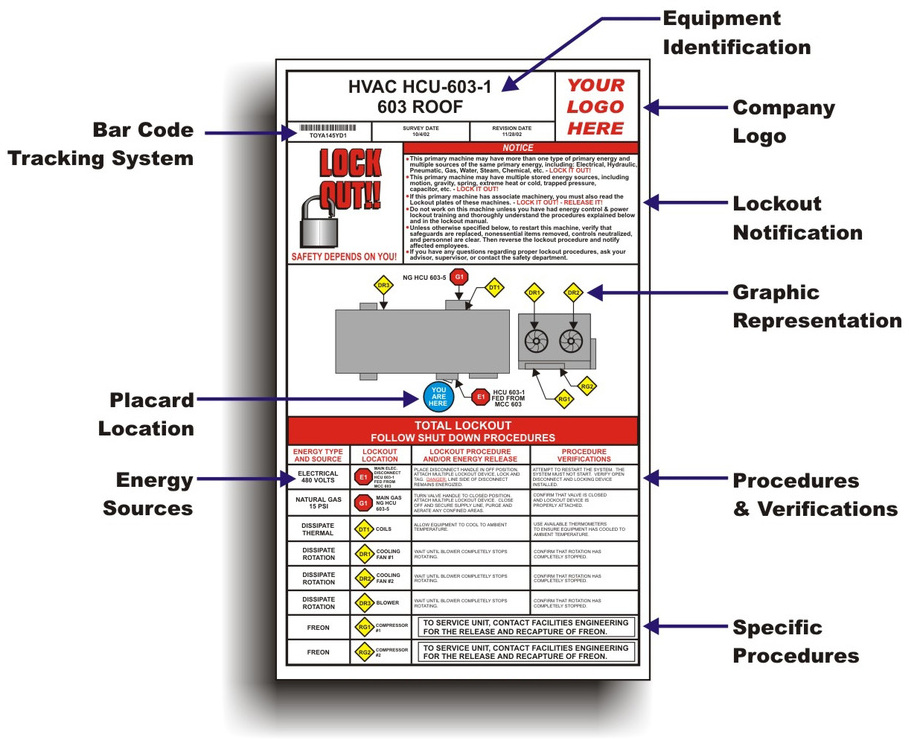
Should LOTO procedures include diagrams? Yes. Simple line drawings or photos showing lock placement and energy isolation points improve clarity and reduce errors.
Are digital LOTO templates acceptable for compliance? Yes, as long as they’re accessible, secure, and include all required elements. OSHA accepts electronic records if they’re reliable and tamper-proof.
FAQ
What should you look for in Free Lockout Tagout Procedures Template for Workplace Safety? Focus on relevance, practical value, and how well the solution matches real user intent.
Is Free Lockout Tagout Procedures Template for Workplace Safety suitable for beginners? That depends on the workflow, but a clear step-by-step approach usually makes it easier to start.
How do you compare options around Free Lockout Tagout Procedures Template for Workplace Safety? Compare features, trust signals, limitations, pricing, and ease of implementation.
What mistakes should you avoid? Avoid generic choices, weak validation, and decisions based only on marketing claims.
What is the next best step? Shortlist the most relevant options, validate them quickly, and refine from real-world results.