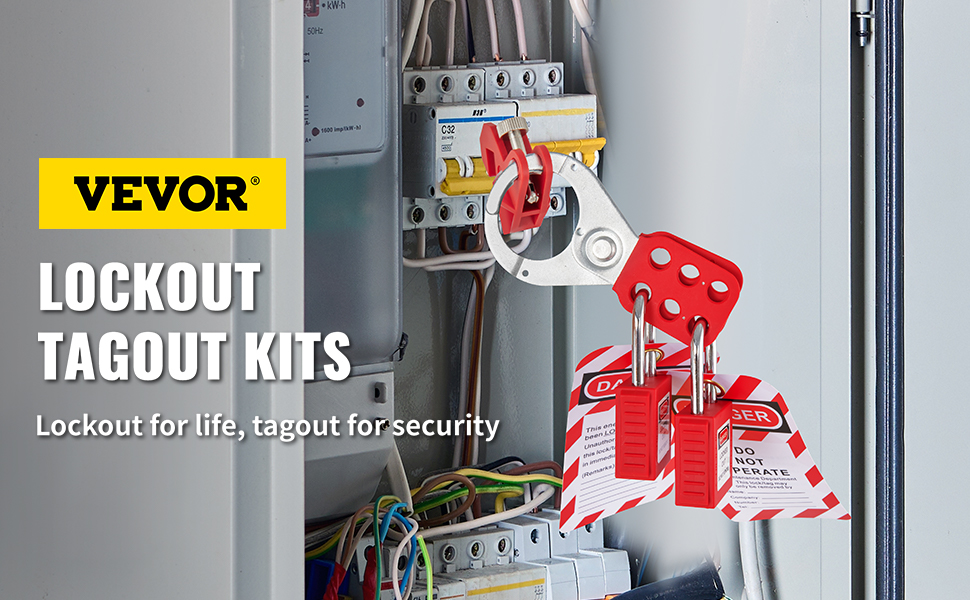
Machines don’t warn before they start. That’s why a lockout tag isn’t just a piece of plastic—it’s the last line of defense between a technician and a life-altering injury. Every year, preventable accidents occur because maintenance is performed on energized equipment. The lockout tag, part of a broader Lockout/Tagout (LOTO) procedure, exists to eliminate that risk by clearly signaling that equipment is unsafe to operate.
This isn’t about compliance checkbox-ticking. It’s about creating a culture where safety is visible, enforceable, and non-negotiable. Understanding what a lockout tag is—and how it fits into real-world safety workflows—is essential for anyone working around industrial machinery, power sources, or hazardous energy systems.
The Core Purpose of a Lockout Tag
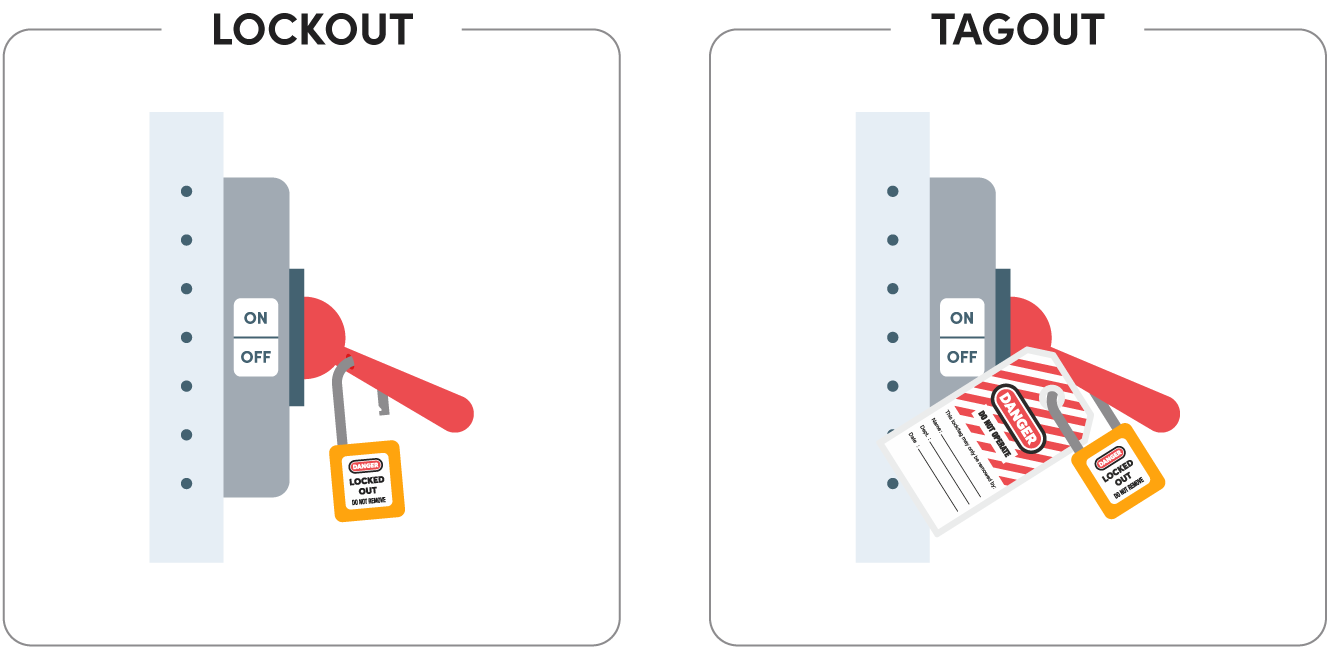
A lockout tag is a durable, standardized label attached to a lockout device during maintenance or servicing of machinery. It communicates three critical things:
- Who applied the lock
- Why the equipment is locked out
- When it was locked out
Unlike a standalone warning sign, a lockout tag is always used in conjunction with a physical lock—commonly called a lockout hasp or valve lock—that prevents the release of stored energy or the accidental startup of equipment.
The primary goal? To make hazardous energy control visible and traceable. If a motor is tagged, anyone approaching it knows two things instantly: it’s under maintenance, and only one person has the authority to remove the tag and restore operation.
How Lockout Tags Work in Practice
Imagine a technician replacing a conveyor belt in a packaging plant. Before touching the equipment, they follow a strict sequence:
- Shut down the machine using the proper stop procedure
- Isolate all energy sources (electrical, hydraulic, pneumatic)
- Apply a personal lock and attach a lockout tag
- Verify zero energy state (test for voltage, pressure, etc.)
The tag on their lock reads:
AUTHORIZED BY: J. Rivera REASON: Conveyor Drive Replacement TIME: 10:15 AM, June 5 DO NOT OPERATE – PERSONAL SAFETY LOCK
Until Rivera removes that lock and tag, the machine cannot legally or safely be restarted. This system ensures accountability and prevents well-meaning coworkers from bypassing safety because they didn’t know someone was inside the machine.
Key Components of an Effective Lockout Tag
Not all tags are created equal. A high-quality lockout tag must meet specific criteria to be effective and OSHA-compliant.
1. Durability Made from weather-resistant materials like laminated polyester or vinyl to withstand oil, moisture, and UV exposure. Paper tags degrade quickly in industrial environments and are not acceptable for long-term use.
2. Clear Warning Language Standard phrases like “Do Not Start,” “Danger – Equipment Locked Out,” or “Unauthorized Removal Prohibited” must be prominent. OSHA recommends red, orange, or yellow backgrounds for high visibility.

3. Customizable Fields Space for worker name, department, date, time, and reason for lockout. Pre-printed fields reduce errors and ensure consistency.
4. Anti-Tamper Design Tamper-resistant attachment points—such as reinforced grommets or zip-tie slots—prevent removal without tools.
5. Multilingual Support In diverse workplaces, bilingual (or multilingual) tags—often English/Spanish—ensure comprehension across all staff.
6. Compatibility with Lockout Devices Must fit securely on hasps, valve locks, circuit breaker covers, and other isolation points without slipping.
Common Mistakes That Undermine Lockout Tag Effectiveness
Even with proper tags, human error can cripple a safety system. These are the most frequent missteps:
❌ Using Tags Without Locks A tag alone cannot physically stop equipment from energizing. This violates OSHA 1910.147, which requires both lockout and tagging when feasible.
❌ Sharing Locks or Keys Each worker must use their own lock and tag during group maintenance. “Master keys” or shared locks bypass personal accountability.
❌ Incomplete or Missing Information Blank fields or vague reasons like “repairing” create confusion. If an emergency team arrives, they need to know exactly who’s affected and why.
❌ Leaving Tags After Work Completion Forgotten tags create false hazards and disrupt operations. A strict “tag-out after unlock” policy must be enforced.
❌ Using Illegible or Damaged Tags Faded ink, torn edges, or smudged writing make tags unreliable. Routine audits should catch and replace compromised tags.
Where Lockout Tags Are Used: Real-World Applications
Lockout tags aren’t limited to factory floors. They’re essential wherever hazardous energy exists.
Manufacturing Assembly lines, robotic arms, and CNC machines all store kinetic or electrical energy. A lockout tag ensures no operator restarts a press while a technician clears a jam.
Utilities and Energy Electrical substations, water treatment plants, and gas pipelines use lockout tags during valve isolation or breaker maintenance to prevent arc flashes or pressure releases.
Healthcare Medical equipment like MRI machines or sterilizers require lockout during service. A tag prevents accidental activation that could harm engineers or damage sensitive systems.
Construction Mobile cranes, hydraulic lifts, and generators are locked out during refueling, repair, or transport modifications.
Laboratories High-voltage lab instruments or compressed gas systems use lockout procedures to protect researchers during calibration.
In all cases, the principle remains the same: if energy can harm, it must be controlled—and the lockout tag makes that control visible.
Legal and Regulatory Requirements
In the U.S., the Occupational Safety and Health Administration (OSHA) standard 1910.147 governs control of hazardous energy. It mandates:
- Written energy control procedures
- Employee training
- Periodic inspections (at least annually)
- Use of lockout devices and tags
OSHA doesn’t specify tag color or design, but it requires that tags include: - The employee’s name - The time of application - A clear warning
Failure to comply can result in fines exceeding $15,000 per violation. More importantly, non-compliance increases the risk of citations following any incident—even if no injury occurs.
Internationally, similar standards exist: - CSA Z460 (Canada) - AS/NZS 4836 (Australia/New Zealand) - ISO 14118 (global machinery safety)
These reinforce the same core idea: visible, personal, and enforceable lockout procedures save lives.
Top 5 Lockout Tag Systems Used in Industry
Choosing the right lockout tag system impacts compliance, durability, and clarity. Here are five widely trusted options:
| Brand | Material | Key Features | Best For |
|---|---|---|---|
| Grace Industries | Polyester laminate | UV-resistant, bilingual (EN/ES), pre-printed fields | High-humidity environments |
| Seton | Vinyl with reinforced grommet | Custom imprinting, OSHA-compliant colors | Large facilities with branded safety programs |
| Safeguard | Tyvek®-like synthetic | Tear-proof, write-on with permanent marker | Cold storage and outdoor use |
| Brady | Thermoplastic | Integrated write-on surface, chemical resistant | Chemical plants and refineries |
| Master Lock | Polycarbonate | Lock-and-tag kits, digital tag management add-ons | Facilities integrating digital LOTO audits |
Each brand offers kits that combine tags, locks, hasps, and training materials. The best choice depends on your environment, workforce size, and regulatory needs.
Integrating Lockout Tags into Daily Workflow
A tag is only as strong as the procedure behind it. To build a reliable system:
- Train All Affected Employees
- Operators need to understand not just how to apply a lock, but why they must never remove a tag that isn’t theirs.
- Conduct Annual Audits
- A supervisor should observe a full LOTO procedure at least once a year and verify compliance with written protocols.
- Use Group Lockout Boxes
- For complex maintenance involving multiple workers, a group lockout station allows each technician to apply their lock to a central hasp. The box key is stored inside, released only when all locks are removed.
- Digitize Where Possible
- Some companies use QR-coded tags that link to digital work orders, training records, or permit-to-work systems—adding traceability without sacrificing physical control.
- Standardize Tag Placement
- Always attach the tag on the lock, not nearby. The tag must be impossible to miss when approaching the energy-isolation point.
The Bottom Line: A Tag Is More Than a Label
A lockout tag doesn’t just say “do not operate.” It says, “Someone’s life depends on this.” It transforms an invisible hazard into a visible boundary. It replaces trust with verification. And in high-risk environments, that shift is everything.
When you see a lockout tag, don’t just read it—respect it. Because behind every tag is a procedure, a protocol, and a person who’s counting on that system to bring them home safely.
Equip your team with durable, clear, compliant tags. Train them relentlessly. Audit without exception. That’s how you turn a simple piece of plastic into a cornerstone of workplace safety.
Frequently Asked Questions
What is the difference between a lockout tag and a lockout device? A lockout device (like a hasp or valve lock) physically prevents energy release. A lockout tag is the warning label attached to that device, providing critical information.
Can you use a tag without a lock? Only if energy isolation cannot be locked. OSHA allows tagging alone in limited cases, but it requires additional safety measures and training.
Who can remove a lockout tag? Only the employee who applied it. In emergencies, a supervisor may remove it following a strict authorization process.
Are lockout tags required by law? Yes, under OSHA 1910.147 and similar international standards, whenever maintenance involves hazardous energy control.
What information must be on a lockout tag? At minimum: the worker’s name, reason for lockout, and time/date. Some systems include contact info or work order numbers.
Can lockout tags be reused? No. Tags are single-use. Reusing a tag risks confusion and violates audit standards.
What happens if someone removes a lockout tag improperly? It’s a serious safety violation, potentially leading to disciplinary action, regulatory fines, or criminal liability if an injury results.
FAQ
What should you look for in What Is a Lockout Tag and Why It Matters in Safety? Focus on relevance, practical value, and how well the solution matches real user intent.
Is What Is a Lockout Tag and Why
It Matters in Safety suitable for beginners? That depends on the workflow, but a clear step-by-step approach usually makes it easier to start.
How do you compare options around What Is a Lockout Tag and Why It Matters in Safety? Compare features, trust signals, limitations, pricing, and ease of implementation.
What mistakes should you avoid? Avoid generic choices, weak validation, and decisions based only on marketing claims.
What is the next best step? Shortlist the most relevant options, validate them quickly, and refine from real-world results.